


AC to DC Converter: The Backbone of Power Electronics

The modern world is heavily dependent on electrical energy, which flows in two main forms: alternating current (AC) and direct current (DC). Our homes typically run on AC electricity, but many of our electronic devices require DC power. This is where the importance of an AC to DC converter comes in.
Alternating Current vs Direct Current
Alternating current is a form of electrical energy where the electric current and voltage oscillate in a sinusoidal or sometimes non-sinusoidal waveform. This is different from DC, where the electrical energy flows in one direction.
George Westinghouse was an early adopter and proponent of alternating current. He championed the concept of using AC electricity over DC because AC voltages can be transformed easily, making it more adaptable for long-distance transmission.
The Heart of Conversion: The Transformer
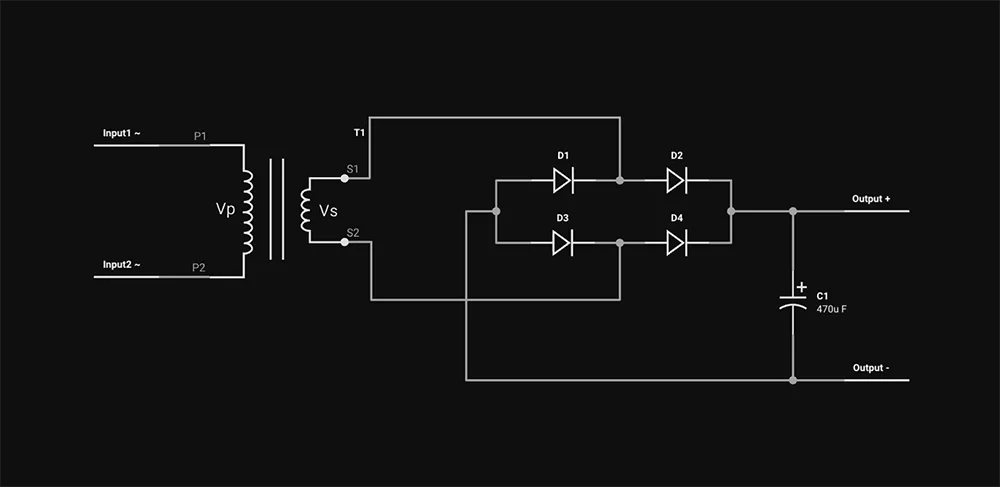
The process of converting AC to DC often begins with a transformer. Transformers are critical in modifying the voltage levels. For instance, a 12V AC supply can be stepped down to a 5V AC supply using a transformer.
The Role of a Rectifier
Once the transformer adjusts the AC voltage, a rectifier takes over to convert this AC into DC. The most commonly used type of rectifier is the bridge rectifier. This device uses four or more diodes arranged in a specific manner to ensure that the electrical energy flows in one direction, converting the alternating current into a form of direct current.
How Rectification Changes an AC Waveform
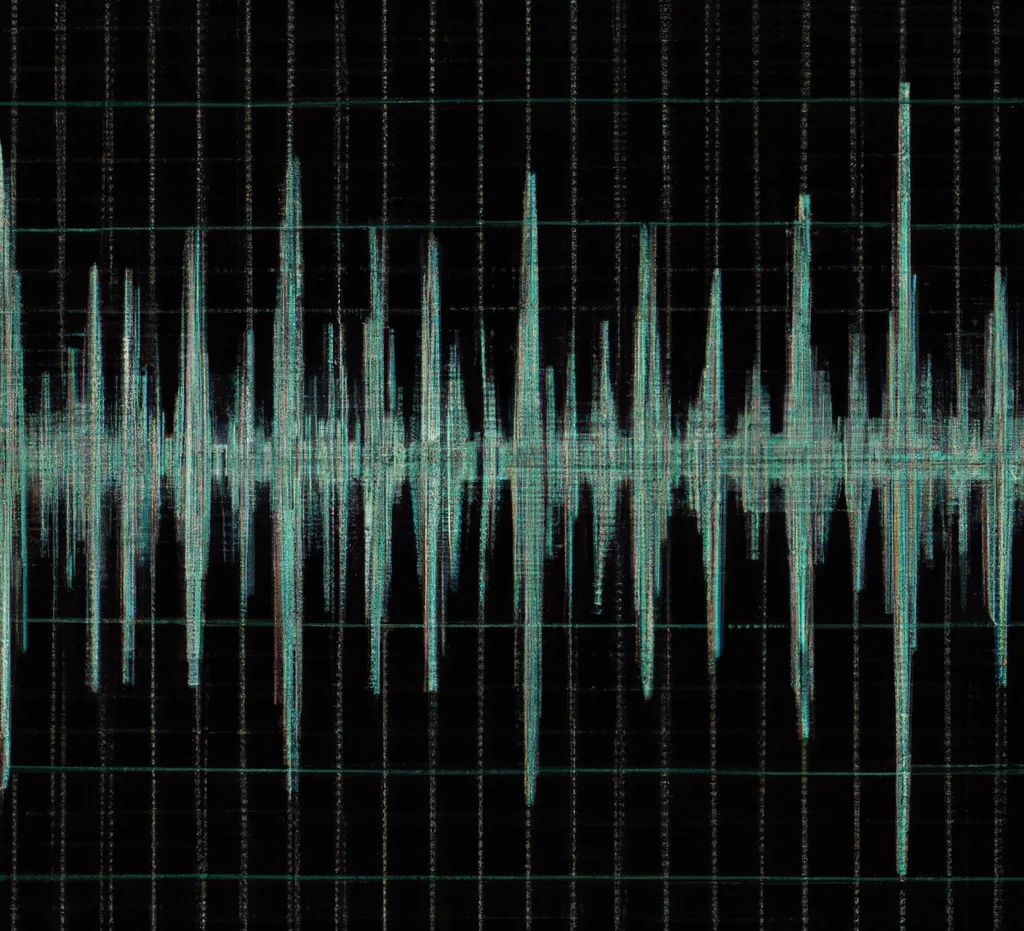
The sinusoidal waveform of alternating current when passed through a bridge rectifier tends to get converted into pulsating DC. This pulsating DC still contains AC ripple that is not suitable for DC electronic devices.
Power Inverter and its Role
Interestingly, a power inverter can do the reverse of a rectifier. It takes DC and changes it back to AC. You might wonder why convert it back to AC? Well, some applications require the DC to be converted back to alternating current, such as in the case of a DC to AC power inverter.
Components for Smoothing: Capacitor
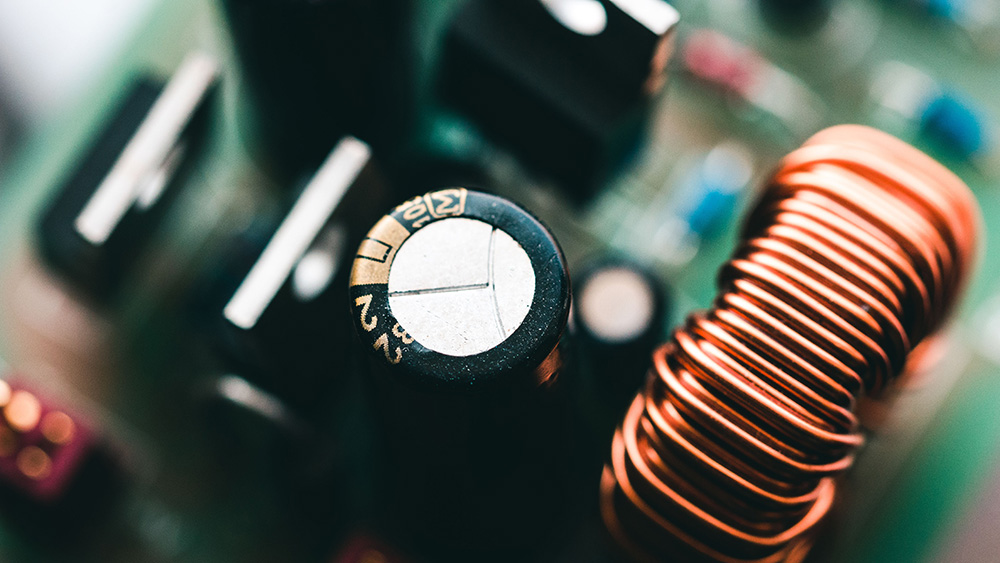
The pulsating DC output from the bridge rectifier is still not a pure DC. This is where a capacitor comes into play. By using a capacitor in the circuit, the pulsating DC can be smoothed out into a voltage level that more closely resembles a DC signal.
Analyzing Waveforms
In power electronics, mathematical notation is often used to represent complex waveforms. This is crucial for engineers who are designing or understanding a circuit for an AC to DC converter. Understanding the waveform, whether it's a sine wave, pulsating DC, or any other form, is crucial for the efficient conversion of electrical energy.
From Hertz to Voltage: Units Matter
When dealing with AC and DC, the units like hertz (Hz) and volt (V) become very important. For instance, in the United States, the standard power supply frequency is 60 Hz with a voltage of around 110-120V. A power converter will take this and convert it to a 12V or 5V DC power supply, depending on the requirement.
Specialized Converters: Voltage Regulator and Power Supply
In advanced circuits, after the action of a rectifier and capacitor, a voltage regulator may be used to ensure that the output DC voltage remains constant regardless of fluctuations in the input AC voltage. This is particularly useful for sensitive electronic devices that require a stable power supply.
AC to DC Converters as Adapters
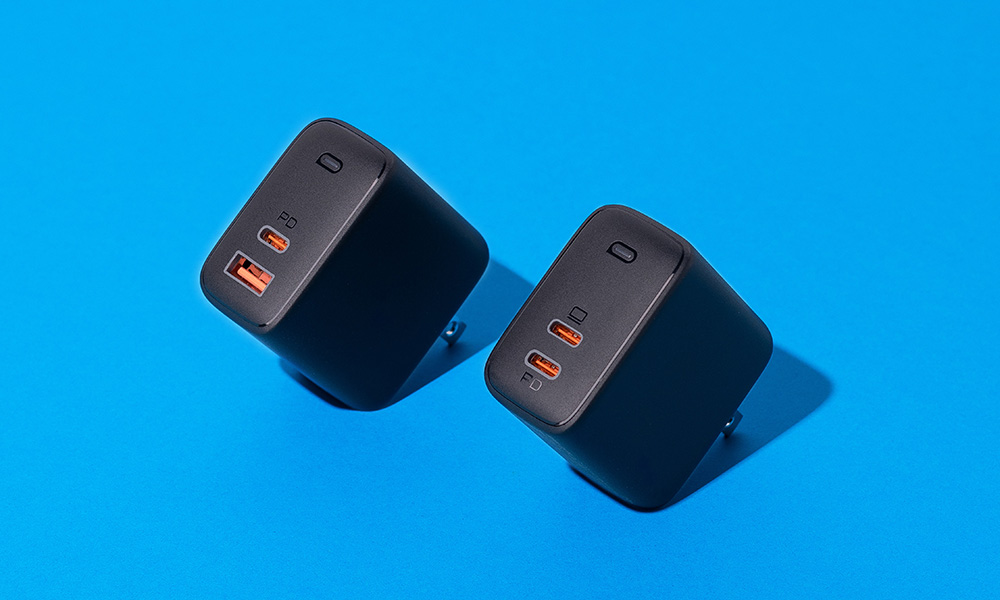
Many of the chargers for our electronic devices like laptops and smartphones are essentially AC DC converters, acting as an adapter between the AC supply and the DC power supply needed by the electronic device. Some specialized converters even offer the function of a DC to DC converter, which can adjust DC voltage levels just like a transformer does for AC.
The Commutator: An Older Method
Before the widespread use of semiconductors, a commutator was often used to convert AC to DC. The commutator reverses the direction of electric current twice during each cycle, mimicking a sort of mechanical rectifier. However, in modern power electronics, solid-state devices like diodes have largely replaced commutators.
Conclusion
The AC to DC converter plays a vital role in our lives, ensuring our electronic devices get the right kind of power. From the use of transformers and bridge rectifiers to the role of capacitors and voltage regulators, the intricacies are many. As we continue to rely on an increasing array of electronic components, the need for efficient and reliable converters will only grow. Understanding how they function is not just for electrical engineers but anyone who wants to grasp how our modern world is powered.
More in PCB Design & Engineering Fundamentals

What Is a PCB? A Beginner's Guide to Printed Circuit Board Design

What is Schematic Design? All You Need to Know

PCB Stackup Design: How to Build the Right Layer Structure

Best PCB Routing Techniques for Clean Circuit Board Layouts

How to Read PCB Schematics: A Beginner-Friendly Guide

PCB Schematic Best Practices for Clean Circuit Design

Schematic Capture Explained: How Engineers Create Circuit Diagrams

What Is EDA Software? A 2026 Guide to Tools and Companies

Best Schematic Capture Software in 2026: 7 Tools Compared

Common Schematic Design Mistakes and How to Avoid Them

PCB Netlists Explained: How Schematics Connect to Layouts

What Is a Netlist? Understanding the Basics of Electronic Design Automation

PCB Symbol Design: Best Practices for Clean Schematics

Making Parts Just Got Easier: Introducing Parametric Symbols

Create Satisfying Schematics with these Updates

Electronic Circuit Design Explained: From Schematics to PCB Layout

Designing PCBs: What Are the Essential Steps

Hardware Design Workflow: From Schematic Capture to Manufacturing

What Is a Functional Block Diagram and Why Is It Critical in System Design

PCB Design Basics: What You Need to Know Before You Start

Diode Symbols: How to Identify Common Diodes

Ultra Librarian joins Flux to Take the Hard out of Hardware

Flux Now Has the World's Largest eCAD Part Library

Capacitor Symbols Explained: Types, Polarity, and Schematic Use

MOSFET and Transistor Symbols Explained: NMOS, PMOS, NPN, and PNP

How to Convert PDF Schematics into Editable EDA Files Using AI

Resistor Symbols Explained: Fixed, Variable, Thermistor, and Photoresistor Symbols

Fuse Symbols Explained: Electrical, Thermal, and Circuit Protection Symbols

How to Learn PCB Design: A Step-by-Step Roadmap for Beginners

Crosstalk, Reflections, and the Real Challenges of Signal Integrity

What Is Signal Integrity in PCB Design? A Practical Guide

High-Speed PCB Design: Layout Rules, Signal Integrity, and Routing Best Practices

EMI/EMC in PCB Design: How to Reduce Interference

PCB EMI Problems: Causes and Solutions

Differential Pair Routing Guidelines and Controlled Impedance Best Practices

PCB Impedance Control: A Practical Guide for Engineers

Introducing Curved Traces in Flux

Analog vs Digital PCB Design: Key Differences Explained

Pi Filters Explained: Design, Components & Applications

RS485 Explained: Wiring, Specifications, and Applications

What is RS232?

SPI vs. I2C: Which Communication Protocol Should You Use?

RJ45 Connectors: Pinouts, Categories, Uses, and Testing

CO2 Sensor Technology: How These Devices Detect Carbon Dioxide

Hall Effect Joysticks: How They Work, Benefits, and Uses

What Is an Oscillator? Beginner's Guide to Oscillating Circuits

Flexible PCB Design Guide: Materials, Layout, and Applications

Rigid-Flex PCB Design: Benefits, Challenges, and Layout Tips

The RF Engineer's Guide to Designing Printed Trace Antennas

SMA Connectors Explained: Types, Applications, and PCB Design Considerations

RC Low-Pass Filter: Formula, Cutoff Frequency & Design

NFC vs RFID: Board Design, Tags, and Reader Choices

Low-Pass vs High-Pass Filter: Differences and Examples

How to Choose a Bluetooth Module for Your PCB Design

Decoding Voltage Regulators: How They Work in Everyday Electronics

Voltage Regulators: How They Work, Types, and Applications

Buck Converter Design: Components, PCB Layout, and Formulas

Buck and Boost Converters: How They Work and Where They’re Used

LM2596 in Action: Case Study of Its Application in Power Supply Units

Guide to GND Fills and Power Planes

Power Distribution Network (PDN) Design in PCBs

PCB Grounding Techniques for Noise Reduction and Stability

Designing High-Current PCBs: Layout and Safety Considerations

How to Calculate PCB Trace Resistance

Voltage Drop Calculations: Formulas, Factors, and Guidelines

AC-to-DC Converters: How They Work, Types, and Design Tips

Thermal Management in PCB Design: Methods and Best Practices

PCB Thermal Management: Analysis and Design Best Practices

Understanding PPS Fast Charging: What It Is and How It Works

Decoupling Capacitors in PCB Design: Placement and Selection

What Is a Multilayer Ceramic Capacitor (MLCC)?

Tantalum Capacitors Guide: Polarity, Derating & Risks

Amps vs. Volts: Key Differences and How They Work Together

Current Sensor Types: Shunt, Hall Effect, and Current Transformer Comparison

Li-ion vs LiPo vs LiFePO4 vs NiMH for Hardware Design

Never Worry About Stackups Again: Introducing the Stackup Editor

Multilayer PCB Design: Stackup and Routing Best Practices

How to Choose PCB Materials: FR4 vs Advanced Substrates

Blind Vias, Buried Vias, and Microvias: A Complete Guide to PCB Via Types

Exploring Different Types of Vias in PCB

High-Density PCBs just got easier with Smart Vias

How to Use Via Stitching in PCB Design

PCB Design Constraints: What Engineers Need to Know

PCB Constraint Management: How Engineers Control Layout Rules

Design Rule Checking (DRC) in PCB Design: Real-Time vs Batch, Rules, and Common Failures

Electrical Rule Check (ERC) vs DRC in PCB Design

PCB Design Reviews: Best Practices for Catching Errors Early

Common PCB Design Mistakes and How to Avoid Them

5 Common PCB Design Mistakes and How to Avoid Them

PCB Silkscreen Design: Guidelines and Common Mistakes

Smart Polygons: Advanced PCB Design Just Got Easier

Automatically Create Photorealistic PCB Renders

How to Convert from MM to Mils: a Guide for Beginners

What Is Solder Mask? Materials, Colors, and PCB Design Rules

Designing Custom PCB Outlines: Fixing DXF and SVG Import Failures

PCB Enclosure Design: How to Design an Enclosure

How to design a sheet metal bracket for your PCB with a text prompt

How to run thermal and stress simulation on a PCB enclosure in the browser

Designing hinges, snap-fits and moving parts for your enclosure in Flux

PCB IPC Standards Explained: IPC-2221, IPC-2152, IPC-7351, and More

Component Selection in PCB Design: How Engineers Choose the Right Parts

Smarter Part Search Just Got a Major Upgrade

How to Design a PCB Footprint (Step-by-Step Guide)

Protection Circuit 101: Securing Your Electronics from Overcurrent and Short Circuits

Understanding the Flyback Diode: Your Essential Guide to Functionality and Why You Need One

What Is a Zener Diode? How It Works and Where It’s Used

Understanding the Fundamentals: MOSFET Basics for Beginners

NMOS vs PMOS: Differences & When to Use Each

NPN vs PNP Transistors: Differences & When to Use Each

LM741 Pinout: A Deep Dive into a Classic Op Amp

6 Types of Variable Resistors: a Detailed Look at Their Uses
Parallel and Series Resistor Calculator

Resistor Color Code Calculator

SMT vs Through-Hole Technology: Which Should You Use?

How to Use Flux When Soldering Electronics

The Ultimate Guide to Toggle Switches: Types, Uses, and How They Work

What Is the Science Behind Push Button Switches and How They Work

Tactile Switches: Wiring, Debouncing, and PCB Design

Electrical Wire Connector Types and Uses

Board-to-Board Connectors: Types, Pitch and Stack Height

RTD vs Thermocouple vs Thermistor: Sensor Selection

Why Your PCB Is Failing: Debugging Common Issues

555 Timer Guide: Pinout, Operating Modes, and Circuit Examples

Inverting Op-Amp Circuits: Formula, Gain, and Design Examples

How to Wire a Potentiometer: Pinout, Diagrams, and PCB Examples
Let’s start building.

Let’s build your idea together. All you need to do is describe what you want to make, or what problem you want to solve. Flux will work with you to make it a reality.
