


Harnessing the Power of Flux for Industrial Sensing Applications

In this ever-evolving landscape of industrial automation, advanced sensing technologies are pivotal. Our team of skilled PCB design engineers has been at the forefront of this technological evolution, utilizing Flux to develop reference designs for industrial-grade sensors. This blog post showcases 18 of our key projects, each uniquely contributing to the field of industrial sensing.
Advantages of Flux for PCB Design
Flux stands out in the PCB design industry, adhering to three core principles: promoting reusability, fostering collaboration, and keeping the designer focused. The emphasis on reusability allows individuals and organizations to amplify their impact. Users can leverage the work of others in the community by using templates, modules, or example projects, saving time and resources. This approach to PCB design not only streamlines the development process but also fosters a collaborative environment where designers can share and build upon each other's work, leading to more innovative and efficient designs. By keeping these principles at the forefront, Flux ensures that designers remain focused on what's most important, allowing them to deliver high-quality, effective PCB solutions for complex industrial sensing applications.
Industrial Sensor Reference Designs
Our PCB design projects, showcased below, are not just innovative solutions but also serve as reusable modules in Flux. Each module is carefully crafted to ensure it can be easily adapted and used by anyone in the community. These modules exemplify the principle of reusability, allowing other designers to leverage our work for their own applications, fostering a collaborative and efficient approach to PCB design.
1. TSL25911FN Ambient Light Sensor
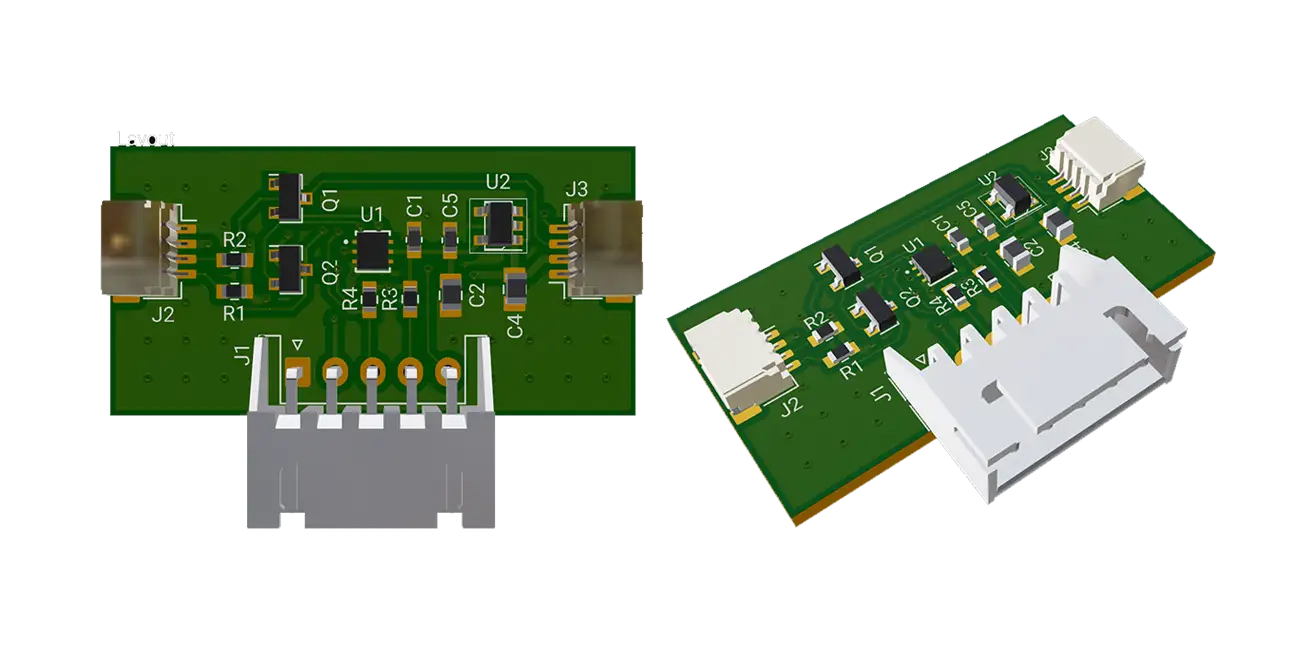
We developed a high-precision light intensity measurement system using the TSL25911FN. Flux Copilot played a crucial role in optimizing the layout for minimal interference and maximum sensitivity, ensuring accurate light measurement critical in quality control systems within manufacturing processes.
2. PCA9615 Differential I2C Buffer
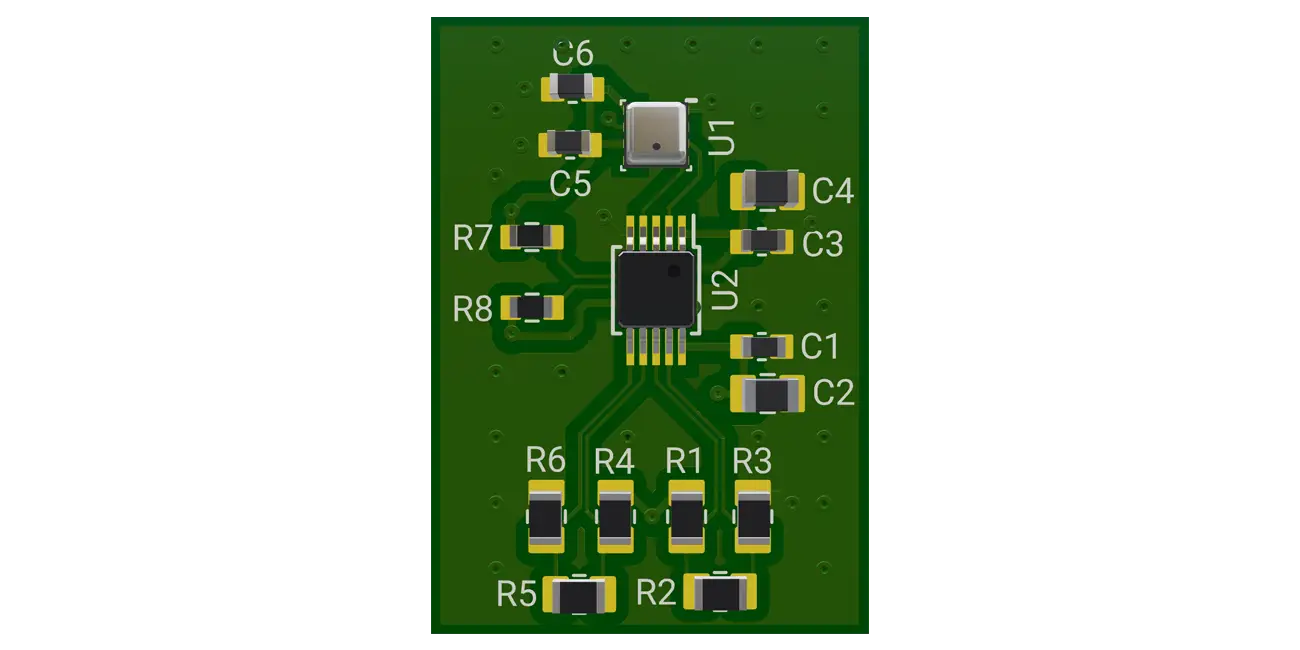
The PCA9615 was the cornerstone of our design for reliable long-distance I²C communication in noisy industrial environments. By leveraging Flux, we successfully mitigated EMI effects, making this design essential for large-scale industrial automation networks.
3. MLX90640 Thermal Imaging Sensor

Utilizing the MLX90640ESF-BAA-000-TU, we crafted a sophisticated thermal imaging sensor. Flux was instrumental in the design, allowing for intricate circuitry that handles the high data throughput and thermal management required for accurate imaging. This sensor has become a game-changer in industrial safety and process monitoring, providing critical thermal data in real-time.
4. PGA300 Pressure Sensor Conditioner

The PGA300ARHHR was the key component in our design of a high-precision pressure sensor system. This sensor is now widely used in fluid dynamics control in various industrial applications, demonstrating its versatility and reliability.
5. VL53L0X Time-of-Flight Sensor

Our design using the VL53L0CXV0DH revolutionized short-range distance measurement in industrial settings. The layout and routing capabilities in Flux allowed us to maximize the sensor's range and accuracy, making it ideal for applications like inventory management and automated guided vehicles.
6. VL6180X Proximity and Light Sensor
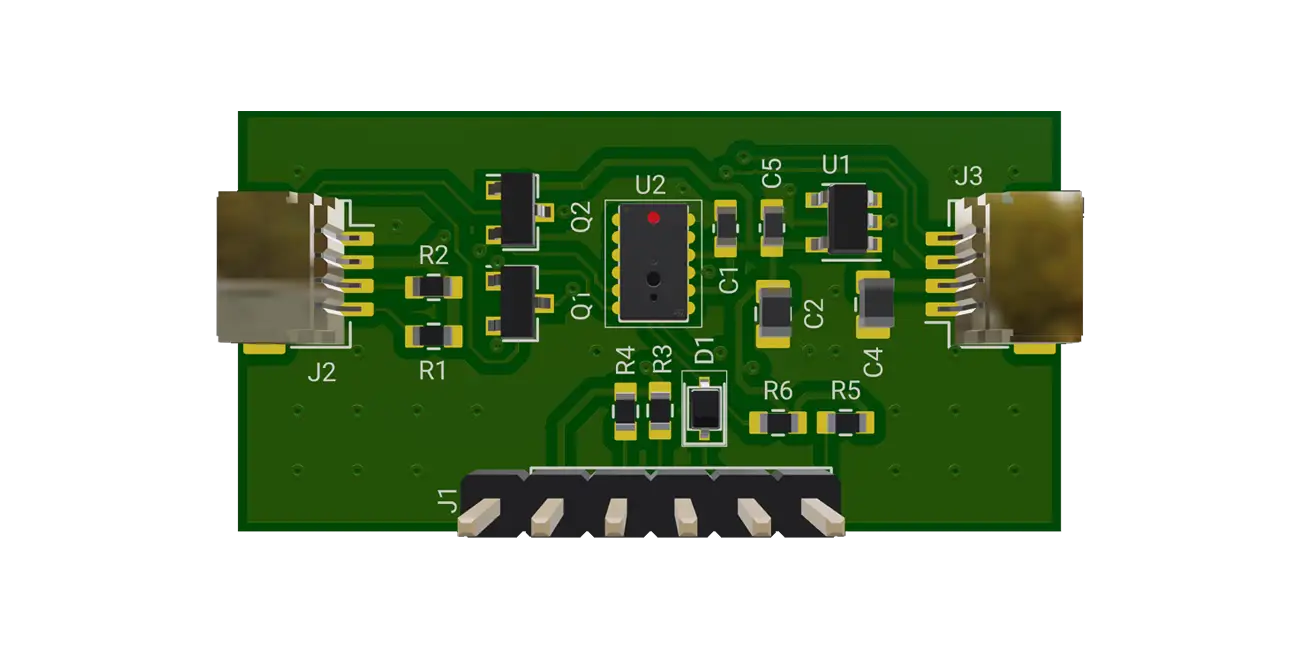
Incorporating the VL6180X, we developed a versatile multi-range sensor, adept at handling both proximity and ambient light measurement. Thanks to Flux's precision in PCB layout, we achieved a compact design that is now crucial in space-constrained industrial environments, particularly in robotics and assembly lines.
7. VL53L1X Long-Range ToF Sensor
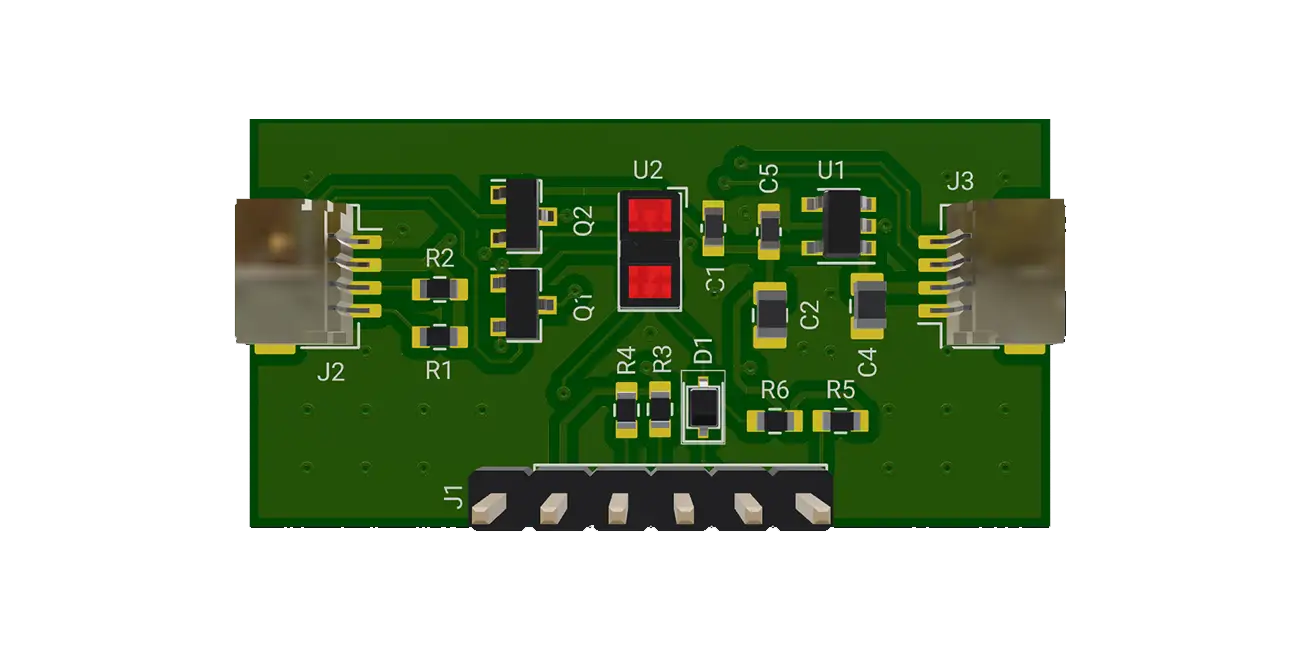
The VL53L1X enabled us to push the boundaries of long-range sensing. This sensor offers exceptional range and accuracy, which is now integral in large-scale automation and monitoring systems.
8. VL53L4CD Time-of-Flight Sensor
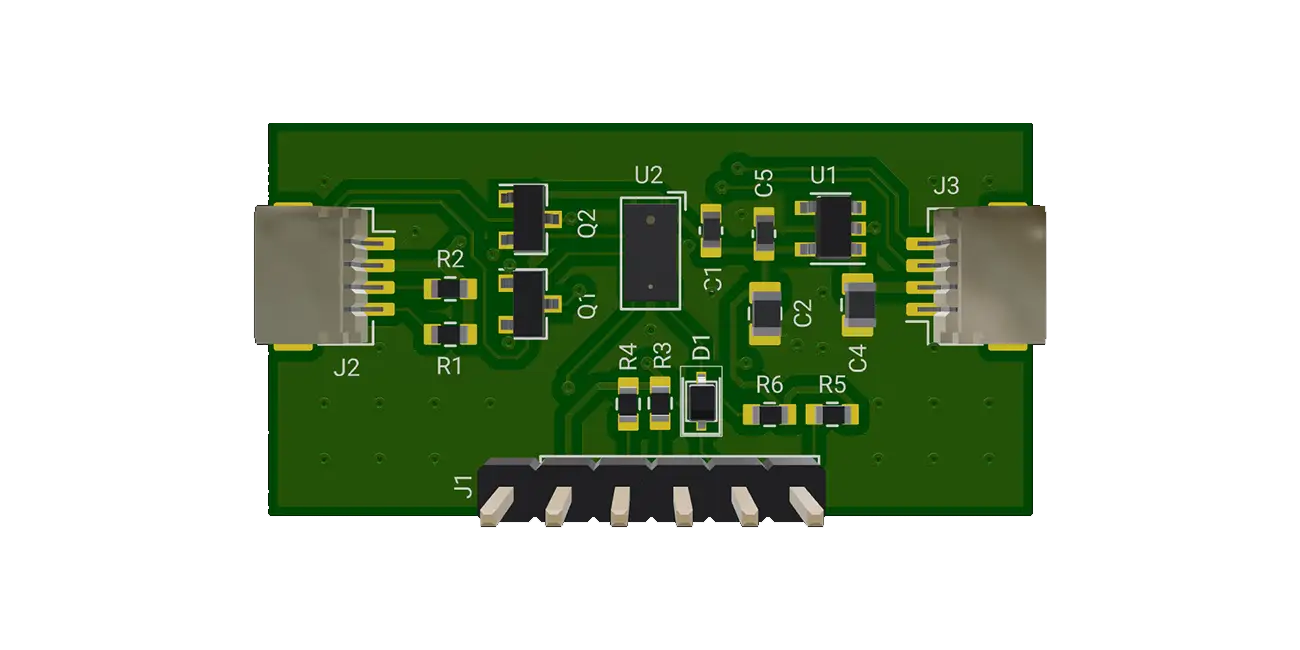
Our VL53L4CD-based design marked a significant advancement in high-resolution imaging sensors. Leveraging Flux's capabilities, we engineered a PCB that supports complex data processing, essential for applications like precision mapping and 3D modeling in industrial scenarios.
9. TMF8801 Time-of-Flight Sensor
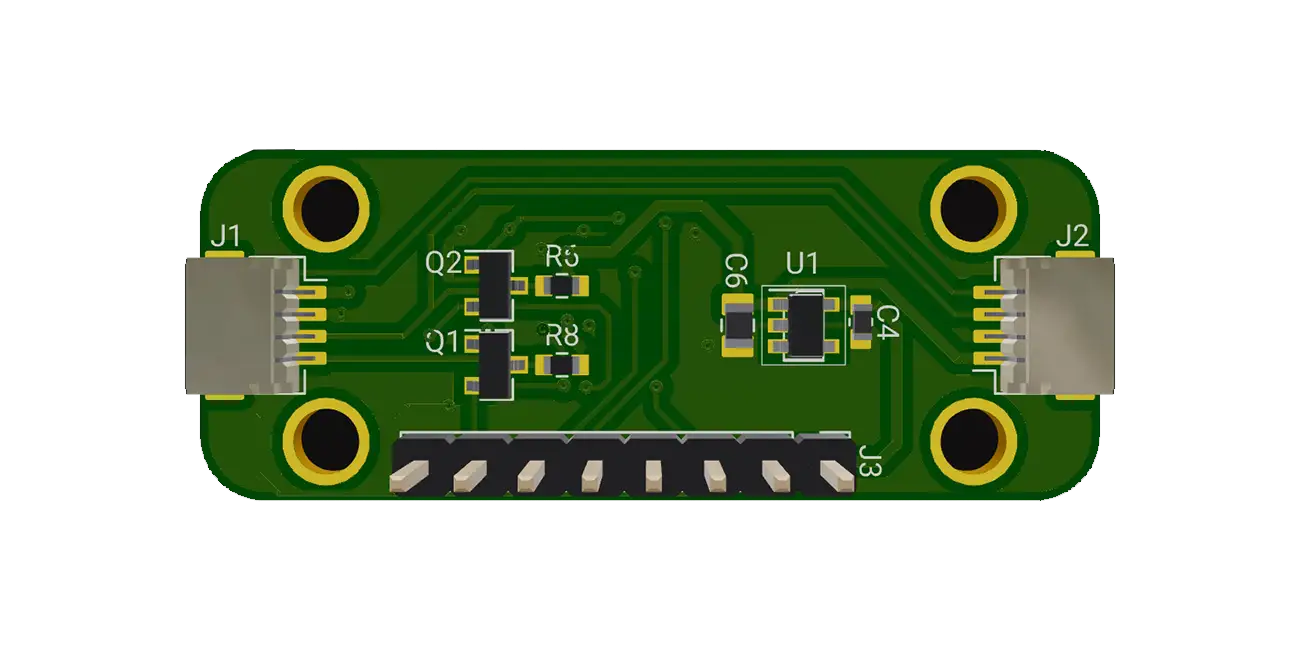
The TMF8801-1BM was central to our innovative time-of-flight sensor design. Flux enabled us to lay out the board more efficiently, resulting in a sensor that excels in real-time positioning and collision avoidance in automated systems.
10. TMF8820 Multizone ToF Sensor
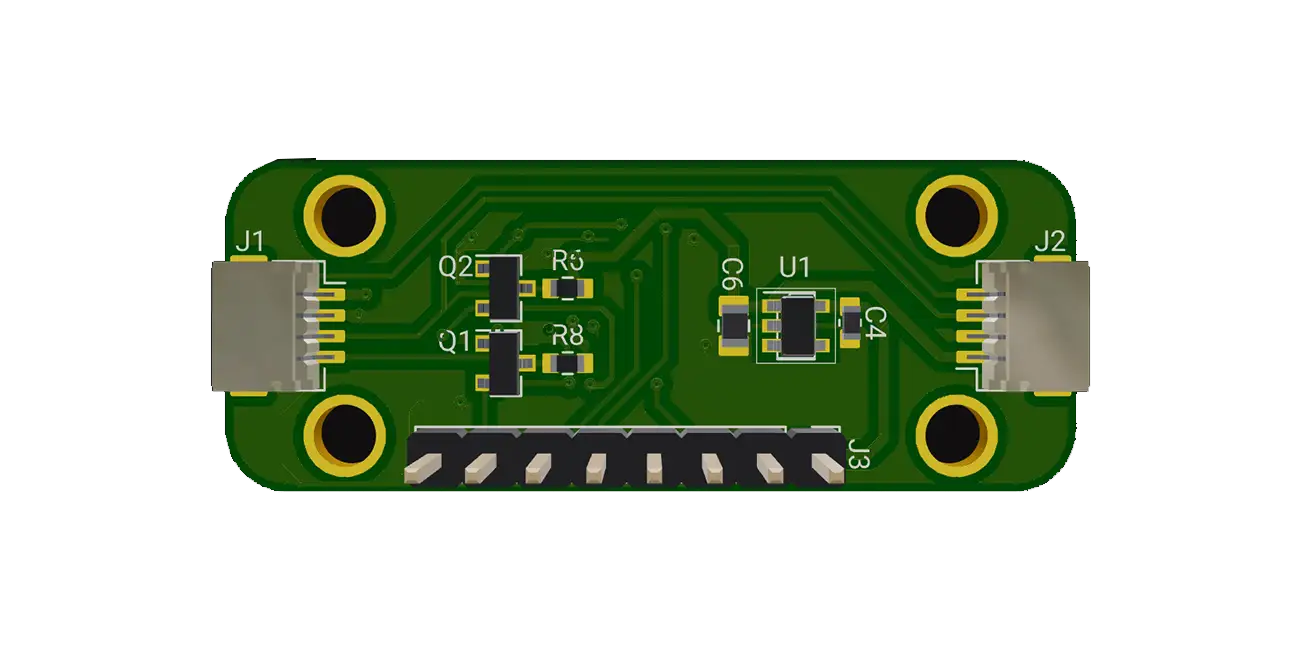
Using the TMF8820-1AM, we designed a sensor specifically for efficient object detection. The measurement tool in Flux allowed us to create a design that provides high-accuracy detection, making it ideal for safety and surveillance applications in industrial environments.
11. TCS3200 Color Sensor
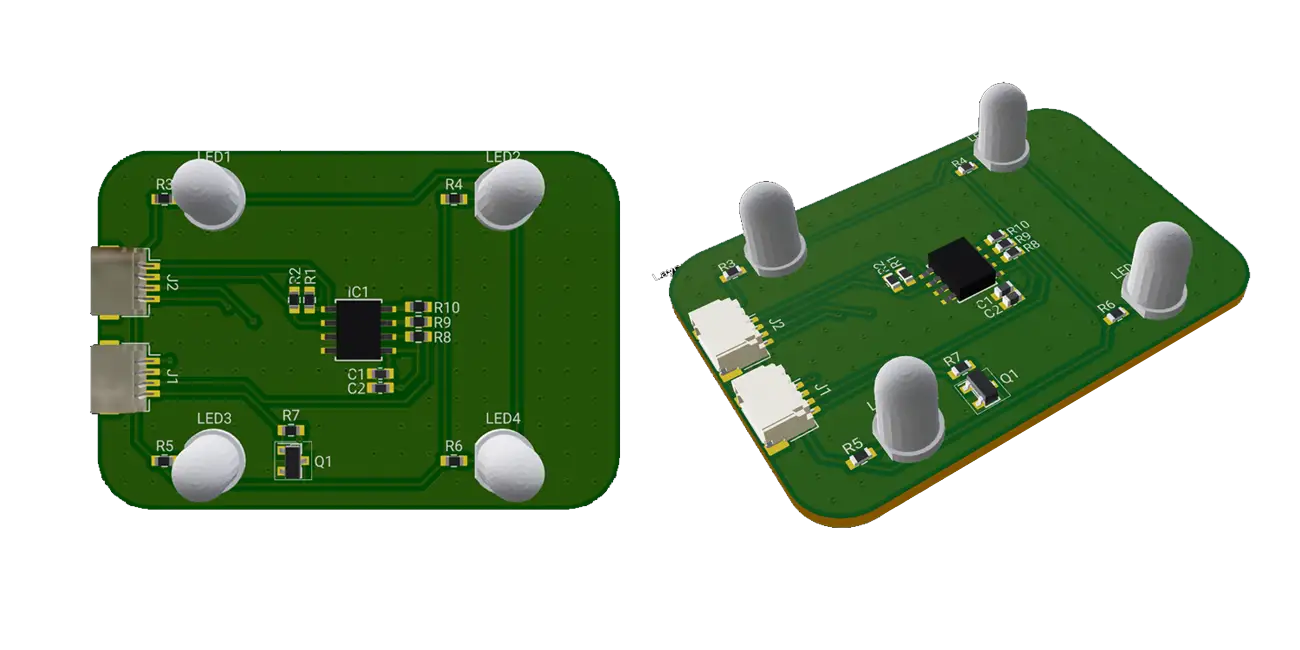
Our TCS3200D-TR-based design focused on high-fidelity color detection. We achieved a design that offers remarkable color sensing discrimination, essential in quality control processes in industries like textiles and printing.
12. ISL29125 RGB Light Sensor
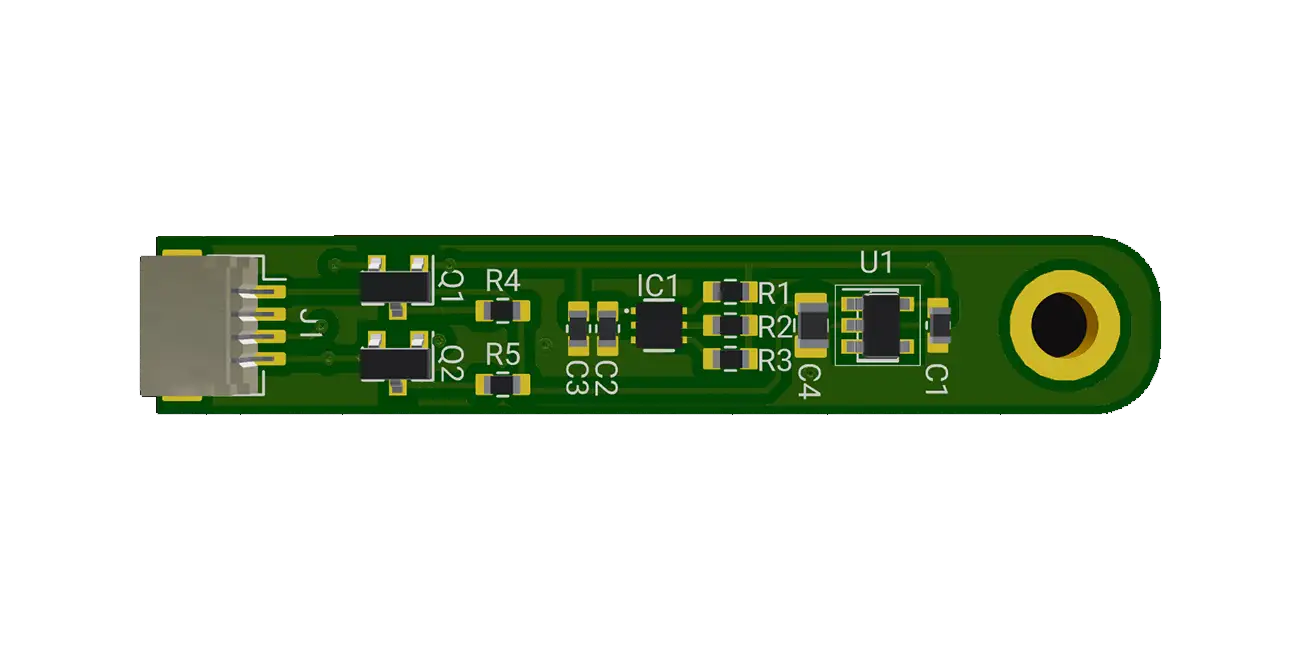
The ISL29125IROZ-T7 allowed us to develop a high-performance light sensor. This sensor is used extensively in ambient light measurement and color balancing in industrial displays.
13. AFBR-S50LV85D Multipixel ToF Sensor
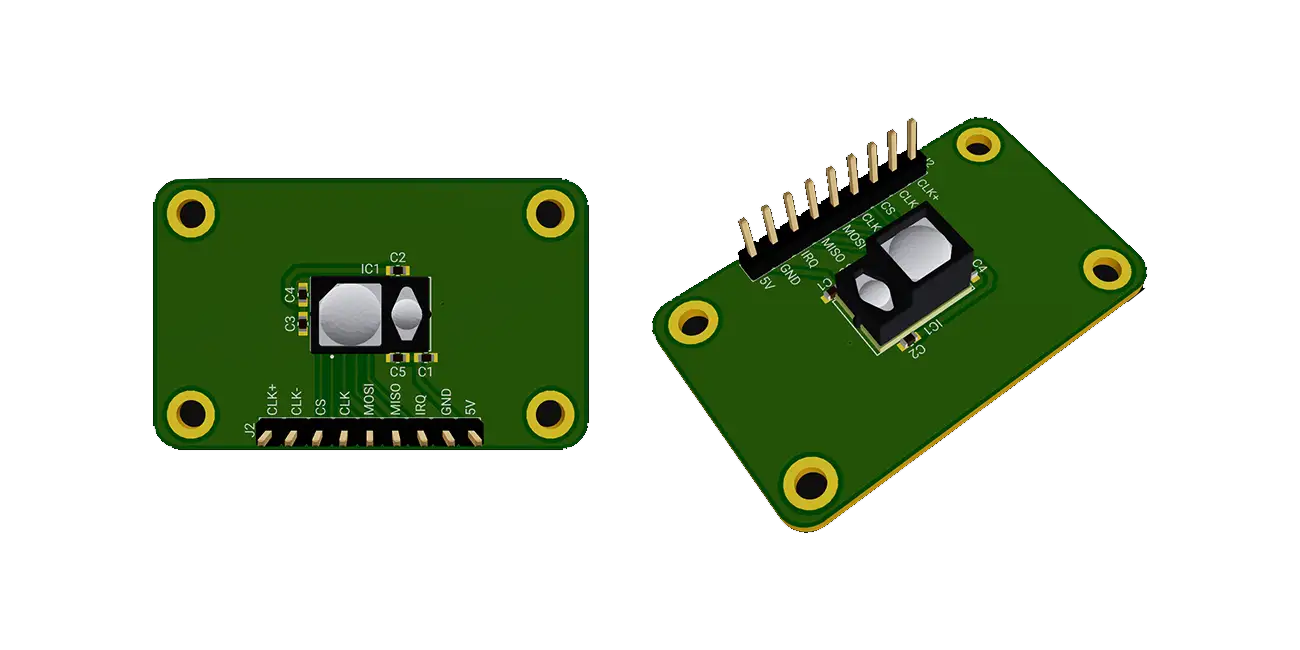
In our design with the AFBR-S50LV85D, we specialized in long-range laser measurement. This sensor is ideal for applications requiring precise distance measurements, such as in warehouse logistics.
14. AR0144CS CMOS Image Sensor
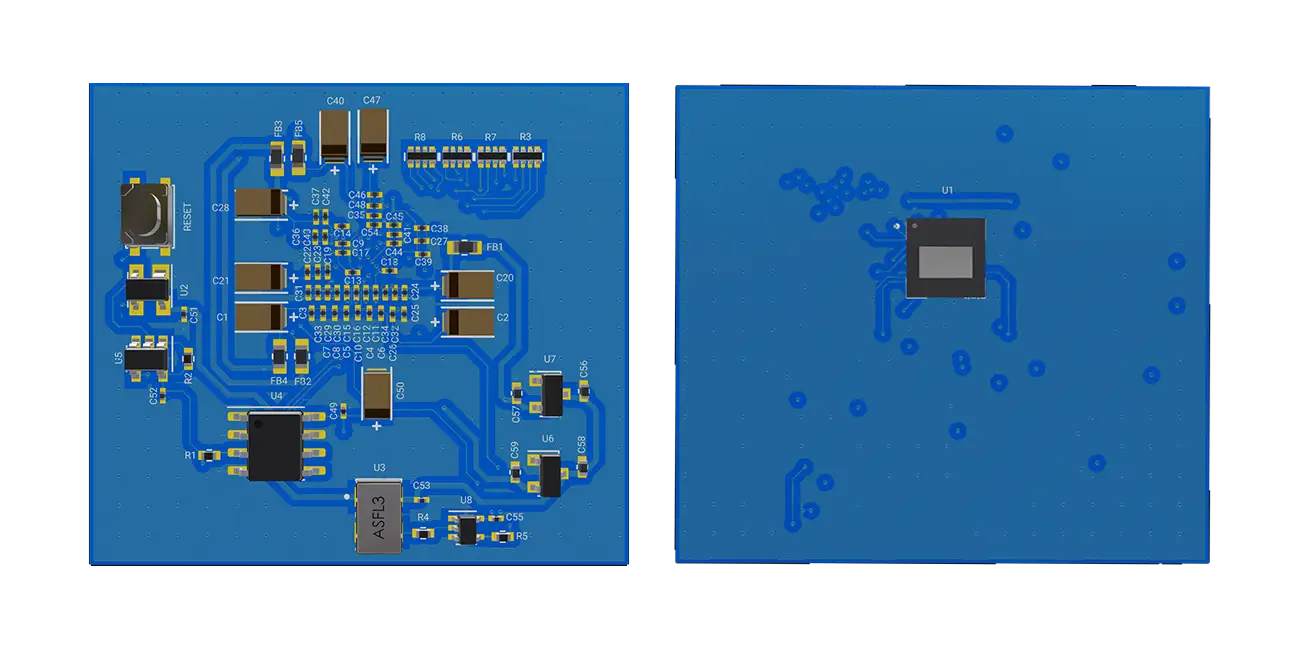
The AR0144CS was the foundation for our high-resolution CMOS sensor. Using Flux, we developed a PCB that supports complex image processing algorithms, crucial for detailed visual inspections in automated manufacturing processes.
15. VCNL3040 Proximity Sensor
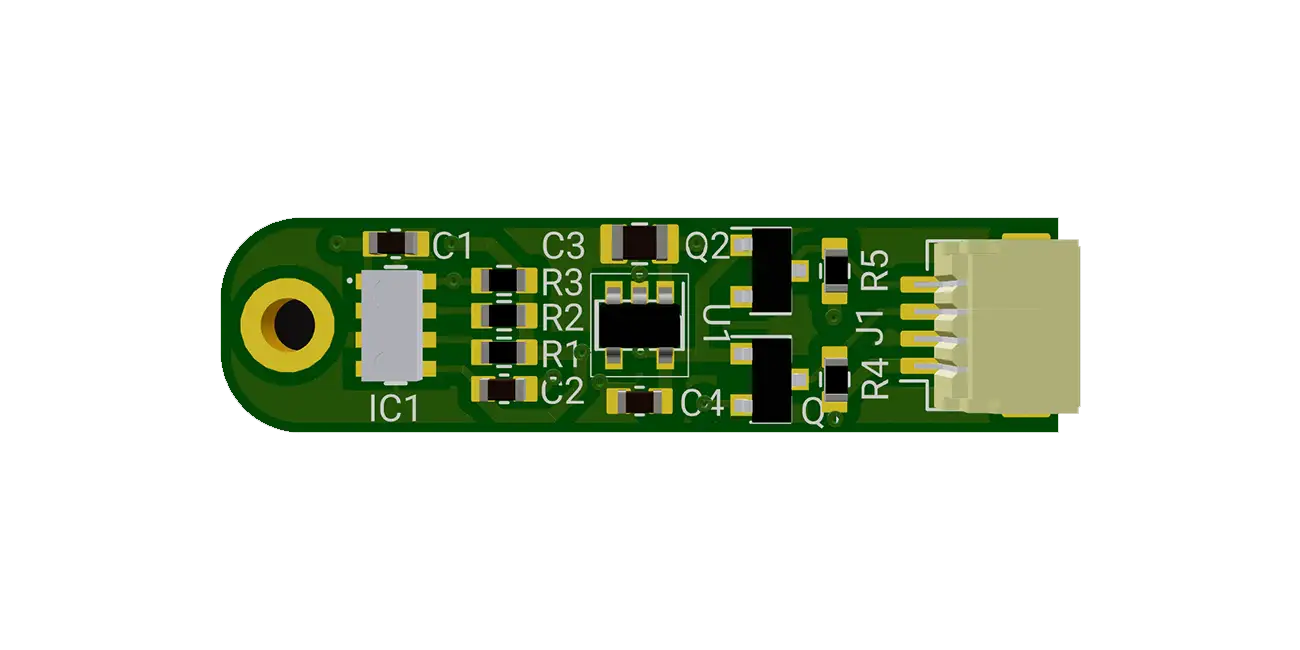
Our design using the VCNL3040 redefined proximity sensing in industrial environments. With Flux, we crafted a compact and efficient layout, resulting in a sensor widely used in machinery safety and user interface applications.
16. LTR-390UV-01 UV Light Sensor

The LTR-390UV-01 led to our breakthrough in UV light sensing. Thanks to Flux's layout design tool, we created a sensor that accurately measures UV light intensity, crucial for monitoring and controlling industrial processes involving UV curing and sterilization.
17. QRE1113 Reflective Object Sensor
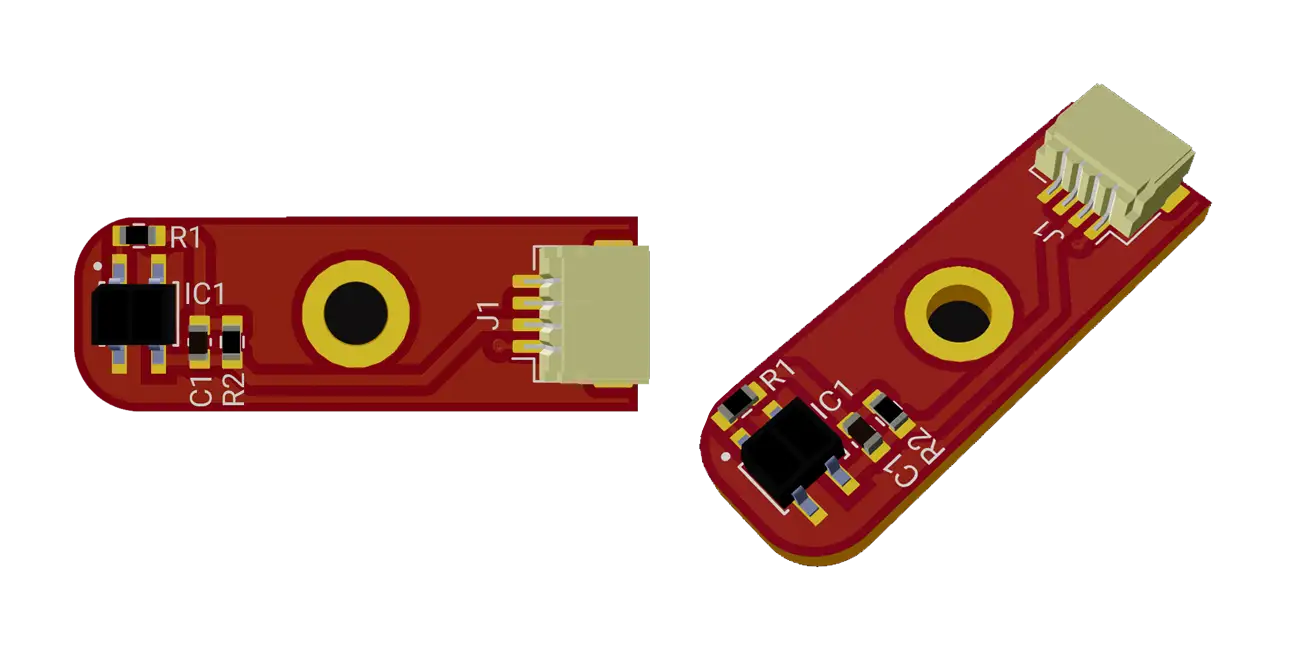
Using the QRE1113, we developed a reflective sensor adept at detecting object presence and positioning. This sensor offers high sensitivity and reliability, essential in applications like conveyor belt control and product sorting in manufacturing lines.
18. GP2Y0D805Z0F Distance Measuring Sensor
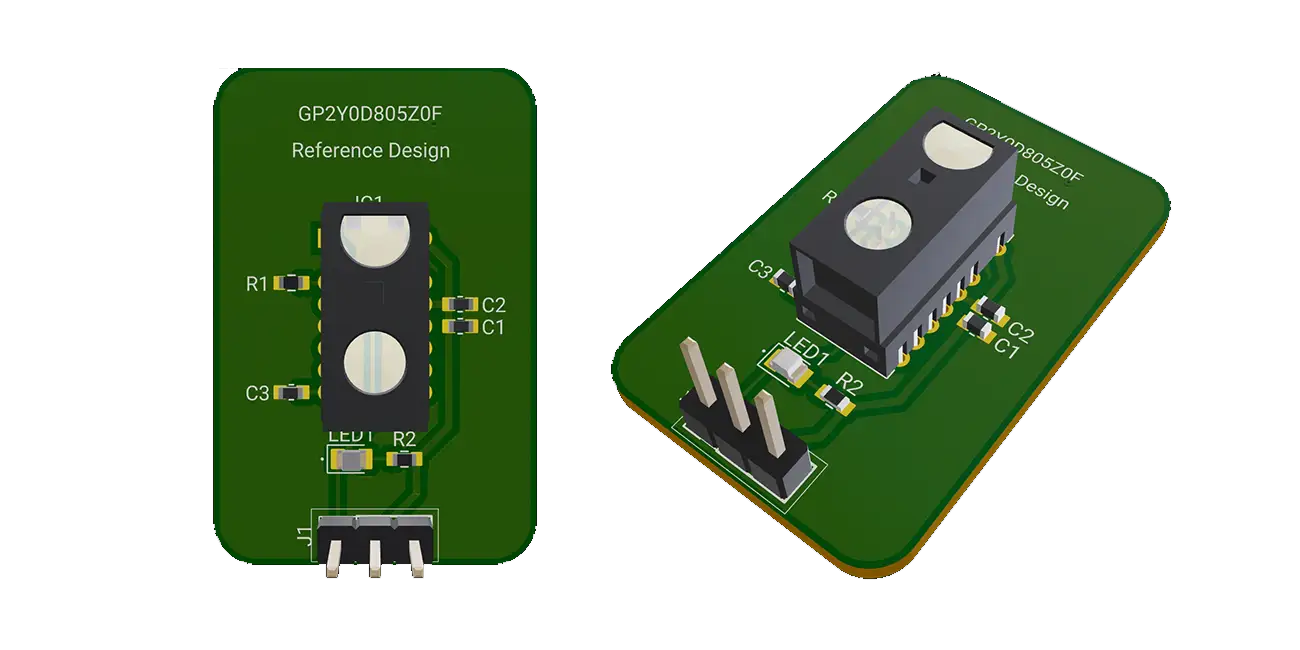
Our design with the GP2Y0D805Z0F focused on compact distance measurement solutions. Thanks to Flux, we were able to create a tiny yet highly effective sensor used in applications where space is at a premium, such as in handheld devices and robotics.
Sensor Design Challenges and Solutions
The design journey for each of these modules presented unique challenges, underscoring the versatility and adaptability required in the field of PCB design, particularly when using Flux.
- Thermal Management in MLX90640ESF-BAA-000-TU: Designing with the MLX90640ESF-BAA-000-TU, a thermal imaging sensor, required meticulous attention to thermal management. We had to ensure that the heat generated by the sensor did not affect its performance, which was critical for applications in safety and process monitoring.
- Signal Integrity with PCA9615: For the PCA9615, ensuring signal integrity over long I²C communication lines in noisy industrial environments was a significant challenge. We focused on designing a robust layout that could resist electromagnetic interference, essential for reliable data communication in automation networks.
- Size Constraints with VL53L0X: Incorporating the VL53L0X into a compact sensor module for distance measurement involved overcoming size constraints. The challenge was to maintain the sensor’s range and accuracy in a significantly reduced footprint, making it suitable for space-constrained applications like inventory management.
- Power Optimization for VCNL3040: Designing with the VCNL3040, a proximity sensor, posed challenges in power optimization. We had to ensure that the sensor operated efficiently to extend the battery life of the devices it was integrated into, which was crucial for its use in safety and user interface applications.
- Light Interference with ISL29125IROZ-T7: The ISL29125IROZ-T7, a light sensor, required us to devise ways to manage light interference effectively. This was crucial for its application in ambient light measurement and color balancing in industrial displays, where accuracy is paramount.
These challenges and others like them were addressed through innovative design approaches, leveraging Flux’s capabilities in layout design and component integration. By overcoming these hurdles, we were able to create modules that are not only effective in their specific applications but also versatile enough to be adapted for a wide range of uses in the industrial sector.
Trends in Industrial Sensor Design
The future of industrial sensing is marked by rapid technological advancements and a shift towards smarter, more efficient systems. Integration of IoT and AI technologies is transforming sensors into intelligent devices capable of real-time data analysis and decision-making. Miniaturization remains a key trend, with sensors getting smaller yet more powerful, catering to space and energy-efficient needs in diverse industrial applications.
Emerging materials and manufacturing techniques promise to enhance sensor sensitivity and durability, crucial for extreme industrial environments. Customization and flexibility in sensor design are increasingly important, enabling quick adaptation to specific industrial needs. This is where tools like Flux, promoting reusability and collaboration, become vital.
Additionally, environmental sustainability and data security are becoming critical considerations in sensor development and deployment. As sensors become more interconnected, ensuring secure and reliable data transmission is paramount.
In conclusion, the industrial sensing landscape is evolving towards more adaptable, intelligent, and sustainable solutions, with immense potential for innovation and impact in various industrial sectors.
Share Your Industrial Sensor Designs
We'd love to hear about your experiences with industrial sensor designs or any inquiries you might have. If you're looking for expert advice or services in PCB design, feel free to contact us at help@flux.ai. Together, we’ll change the future of PCB design!
Keep Innovating!
More in Step-by-Step Projects & Templates

Design Your Own Macropad With AI Auto-Layout

How to design and deploy a LoRa IoT sensor node with RP2040

Using AI to Design a Webcam: An End-to-End Example

40+ Hardware Projects You Can Build Over the Holidays

How to Design a Custom Keyboard PCB

Master DIY Electronics: Essential Guides to Arduino Projects

Revolutionizing IoT Design: Flux Brings Arduino-Based Matter Projects to Life

PCB Design Tutorial: AI Pendant

Top 5 CES 2025 Hardware Projects You Can Build With Flux

Why you should start designing your PCB from a template

Never Start from Scratch Again: Introducing the New Project Launcher

Raspberry Pi Pico Schematic in 20 minutes using Flux Copilot

Agri.iO revolutionizes farming with Flux

He'd never designed a PCB. Now Tilt Tracker is taking pre-orders.

Design Your First PCB: 10 Popular Microcontrollers to Get Started

New NextPCB Templates For More Streamlined Manufacturing

Flux + Seeed: From Template to PCB in Minutes
Let’s start building.

Let’s build your idea together. All you need to do is describe what you want to make, or what problem you want to solve. Flux will work with you to make it a reality.
